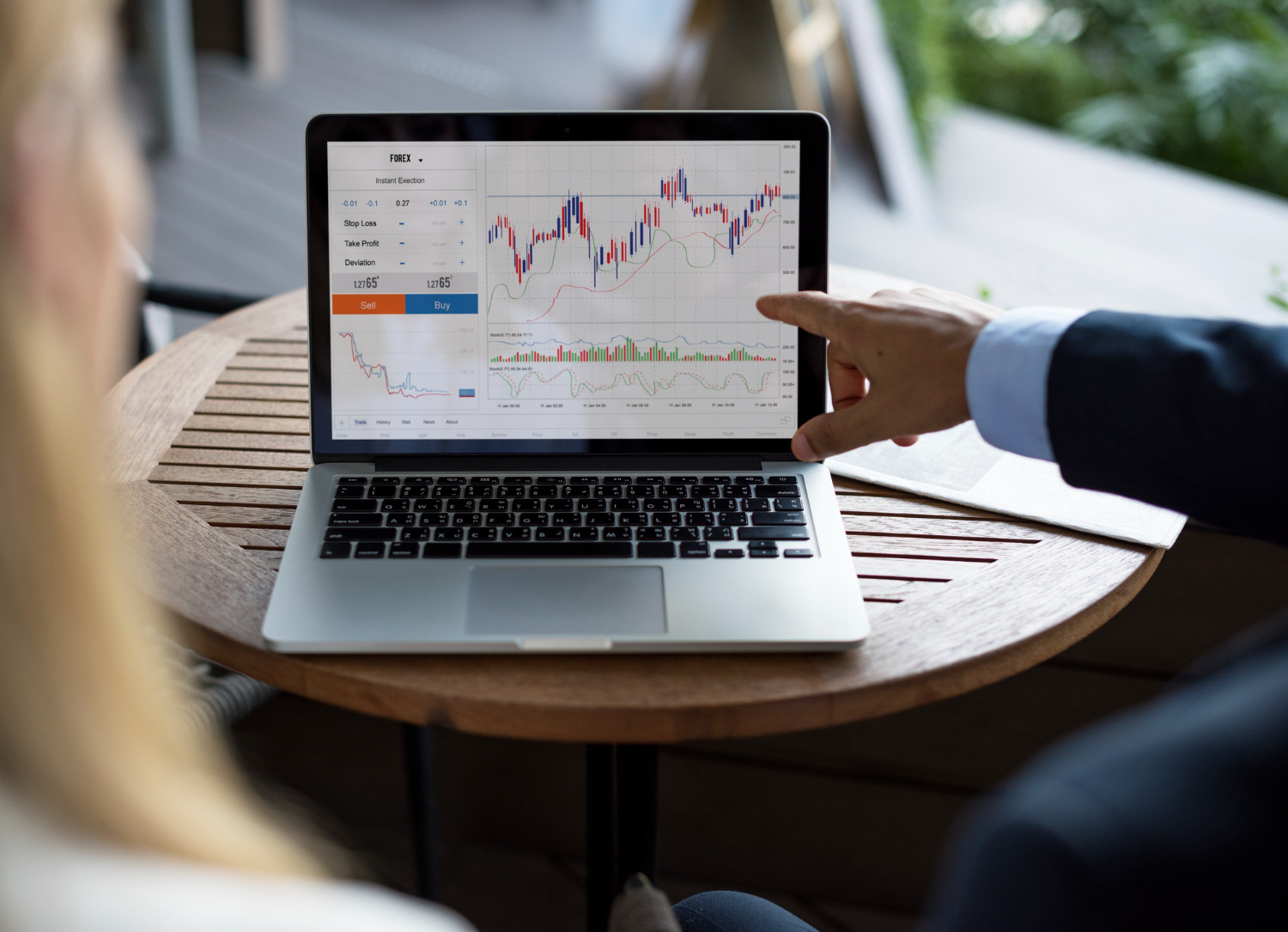

Gold prices have consistently risen over time, establishing gold as a go-to investment for safety during unpredictable events such as wars, pandemics, or global economic crises. Its stable value and lower volatility compared to other assets make gold a preferred choice for investors. Understanding how wars influence gold prices helps investors navigate the complexities of the market during global conflicts.
Why Does Gold Hold Value and Rise Over Time?
Gold is a rare natural metal that resists tarnishing and corrosion, making it valuable for centuries. Historically, gold was used as a medium of exchange before evolving into a store of value, especially as economies became more complex.
Despite being removed as a direct monetary standard, gold remains a high-value asset for preserving wealth. Its limited supply, lengthy formation process, and increasing demand contribute to its consistent price rise. While technological advancements have improved mining capabilities, gold remains a finite resource, ensuring its value escalates over time.
Why Do Wars Drive Gold Price Trends?
Gold’s rarity and stability make it a safe haven during economic instability caused by war. Wars create uncertainty in global markets, causing a loss of trust in economic systems. This leads investors to seek gold as a secure store of value.
Historical Examples
- Late 1970s Middle Eastern Conflicts:
During conflicts in Iran, Iraq, Afghanistan, and U.S.-Iran tensions, gold prices skyrocketed:- 1977: +23%
- 1978: +37%
- 1979: +126%
These spikes demonstrate how economic uncertainty during wars propels gold prices as people move to secure their wealth.
War, Oil Prices, and Inflation
Wars influence more than just gold—they often disrupt oil supplies, leading to higher oil prices. This ripple effect increases inflation, which further boosts gold prices.
Thus, the interconnected factors of “war, oil prices, and inflation” are key drivers of gold price volatility. Investors need to monitor geopolitical developments closely to predict short-term trends.
Is Investing in Gold During Wars a Good Idea?
Despite frequent international conflicts, it’s uncertain if current tensions could escalate into a major global war. However, long-term trends indicate that gold prices generally rise due to its status as a safe-haven asset. Including gold in your investment portfolio can provide stability and hedge against market risks.
Gold is tangible, inflation-resistant, and reliable during global economic instability. While gold may experience short-term volatility during wars, its long-term trajectory aligns with growing inflation and economic uncertainty.
Conclusion
Gold prices are closely tied to inflation, oil prices, and geopolitical events such as wars. Wars, in particular, create short-term uncertainty, making gold an appealing asset for preserving wealth.
In times of global instability, investing in secure, tangible assets like gold not only safeguards financial stability but also serves as a long-term investment strategy. For investors seeking refuge during volatile times, gold remains a sound and reliable choice.